Top 5 AI Productivity Tools in 2026 — Automate Work & Boost Efficiency


From my own experience exploring and testing these top 5 AI productivity tools, it’s clear that people are no longer impressed by AI just because it exists. They care about how it improves their workflow and saves time.
Here’s some tool-focused look at the AI platforms that are likely to dominate in the next few years.
You May Also Like
AI Agents in 2025: The Future of Autonomous Digital Assistants
Vivo X300 FE Full Review: Camera Test, Performance Insights & Vivo X200 Comparison
Read StoryAutoGPT – Redefining Task Automation
When I first tried AutoGPT, I expected a standard AI assistant. What I got was surprisingly different. I set it a goal to research a topic, summarize findings, and draft an outline. Within minutes, it delivered structured results that would have taken me hours.
Unlike traditional chatbots, AutoGPT takes initiative. It can break complex goals into actionable steps and decide the order of execution on its own.
- Handles multi-step workflows
- Reduces supervision and repetitive tasks
This tool is especially useful for startups and freelancers who need to automate parts of their workflow without constantly checking in. Experiencing it firsthand made me realize that this is the kind of AI that feels like a junior digital employee rather than a tool.
GitHub Copilot – Smarter Coding, Less Frustration
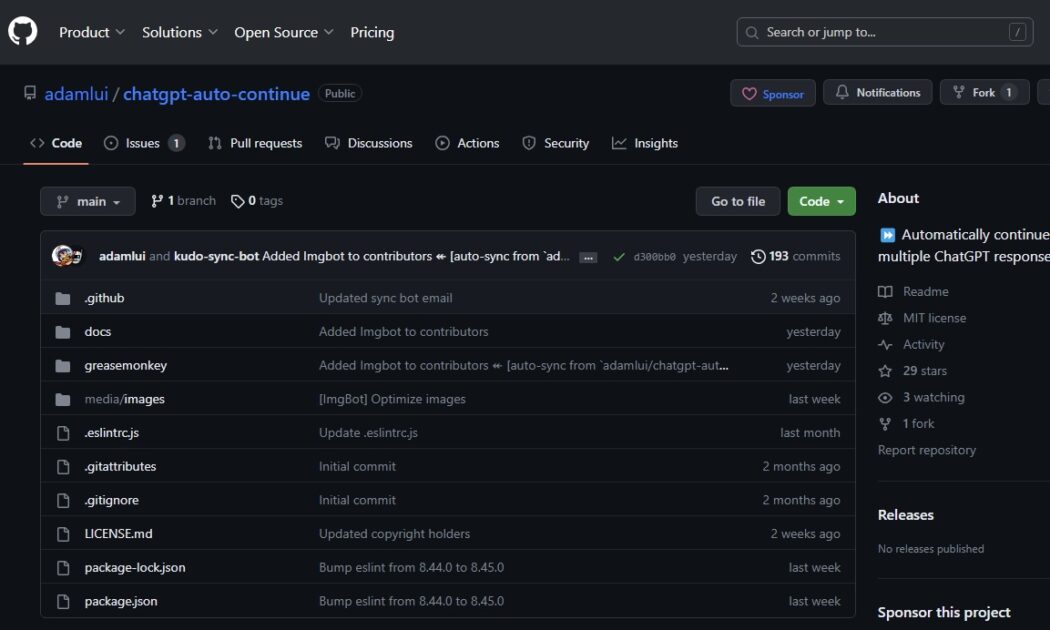
Coding has always been about problem-solving, and Copilot takes that process to the next level. While I initially used it for autocomplete suggestions, I discovered its real strength when it started understanding the entire context of my project.
Cursor AI, a similar tool, goes even further by analyzing your codebase holistically and suggesting logical improvements. During a Python project, I was amazed at how it not only suggested cleaner code but also pointed out potential logic flaws I had missed.
The takeaway is simple: these AI tools don’t replace developers. They remove friction and make complex projects faster and smoother. In my experience, even seasoned developers benefit from having such a “thinking partner” in the editor.
You May Also Like
How to Use AI Tools to Grow Your Blog & YouTube Channel in 2025
Perplexity AI – Research Made Effortless

Researching content or validating information can be tedious. That’s where Perplexity AI shines. Unlike traditional search engines, it provides concise, context-aware answers backed with sources. Elicit offers similar functionality, especially for academic research.
While writing a recent blog, I tested Perplexity AI to cross-reference multiple sources. It summarized everything neatly in minutes, saving me hours of manual browsing. The experience was eye-opening: it doesn’t just give results—it streamlines thought processes.
- Direct, reliable answers
- Handles follow-up questions intuitively
- Speeds up research significantly
For writers, students, and professionals, this tool transforms how research is done.
Framer AI – Build Websites Without Writing Code
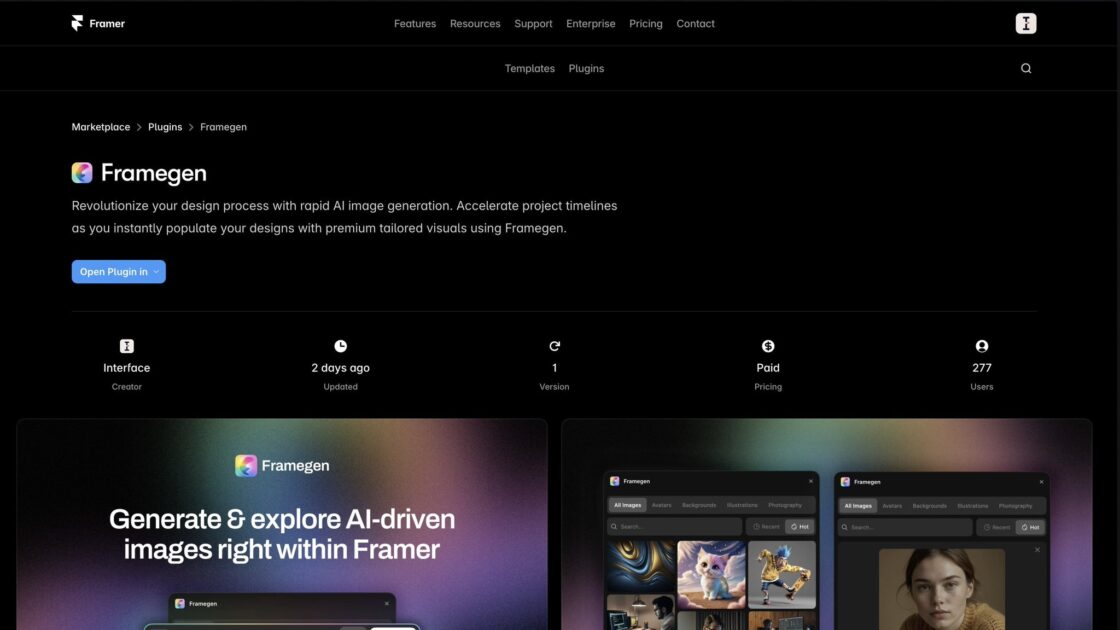
Framer AI allows you to create websites or apps by describing what you need in plain language. Durable AI offers similar capabilities, especially for small businesses.
I recently used Framer AI to build a landing page. What stood out was how fast and intuitive the process was. Without touching any code, I had a functional website ready to publish. For creators and entrepreneurs, this tool removes technical barriers and encourages experimentation. Key benefits I noticed:
- Rapid MVP creation
- Simplified design process
- Accessible for non-technical users
It’s one of those tools where you truly feel empowered to turn ideas into reality instantly.
Pictory – Quick Video Content for Busy Creators

Video content dominates online platforms, and Pictory makes it accessible even for those without editing experience. It can turn a script or blog content into a ready-to-publish video, complete with auto-captioning.
When I tried Pictory for a blog-to-video project, I was surprised by how quickly it produced a polished result. Minimal tweaks were needed, freeing me to focus on content strategy rather than production details.
- Speeds up video creation
- Ideal for social media and marketing
- Reduces manual editing effort
For creators prioritizing speed and consistency, Pictory is a real game-changer.
You May Also Like
Best AI Voice Generators in 2025: Free & Paid Options Explained
Final Thoughts
The AI tools that will dominate the next few years share a common trait: they reduce friction in real workflows. AutoGPT automates tasks, Copilot enhances coding, Perplexity AI simplifies research, Framer AI accelerates product creation, and Pictory speeds up video production.
From personal experience, tools that genuinely save time and handle complex or repetitive work naturally gain traction. These are not temporary trends—they are foundational platforms shaping 2026 digital work.
Share this article
Related Articles
Continue reading similar stories.


Trending Now
Popular articles readers are exploring.

Xiaomi 17 Pro Review – The New Flagship Evolution
Lenovo Legion Pro 7i Review 2026 – The Ultimate Gaming & Creator Laptop

Vivo X200 FE Full Review in 2026: Price, Camera, Features & Performance

iPhone 17 Air Full Review: Price, Camera, Battery & Features