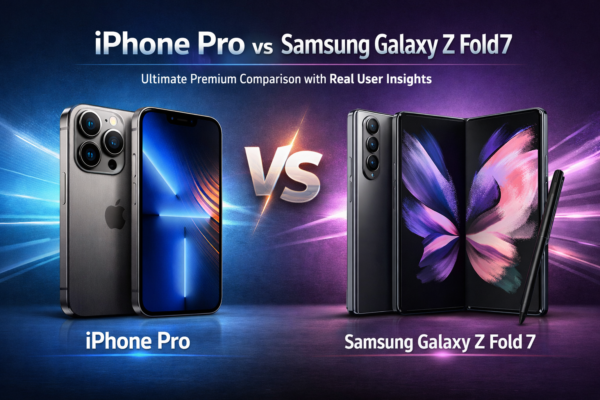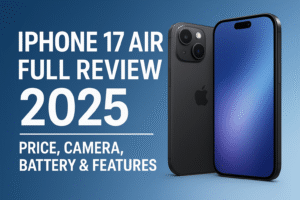

If you compare smartphones only by specifications, the iPhone rarely looks like the winner. Many Android brands offer bigger batteries, faster charging, higher megapixels, and more aggressive hardware on paper.
Still, when people are spending serious money on a device they plan to use for years, the iPhone continues to be the safest and most trusted choice. That’s because Apple doesn’t compete in the numbers game. Instead, it focuses on something far more important — the overall experience. And in everyday life, experience matters more than specs.
A Complete System, Not Just a Device
Most smartphone companies build hardware first and then run Android on top of it. Apple takes a different approach. It designs the processor, the software, and the hardware together as one system.

This tight integration is why iPhones feel unusually smooth. Apps open faster, animations are consistent, and random bugs are rare. Nothing feels stitched together. Everything feels intentionally built. It’s a small difference on day one, but a huge difference after two or three years of use.
Performance That Ages Gracefully
Almost every phone feels fast when it’s new. The real test is how it performs later. Many devices start lagging over time due to poor optimization or heavy updates.
iPhones, on the other hand, tend to stay stable for years. Apple’s A-series chips are extremely efficient, and iOS is optimized specifically for that hardware.
This is why even older iPhones continue to run smoothly and receive updates for five to six years. Practically speaking, this longer lifespan often makes an iPhone cheaper in the long run compared to replacing other phones every two years.
Cameras Built for Reliability, Not Gimmicks
While other brands focus heavily on megapixel marketing, Apple focuses on consistency. The goal isn’t to take flashy photos — it’s to take good photos every single time. iPhone cameras are known for natural colors, balanced HDR, and realistic skin tones. You don’t need to tweak settings or worry about oversaturated results. You just point and shoot.
Video recording is where the iPhone still clearly leads. Stabilization, audio clarity, and color accuracy make it a favorite among vloggers and creators. For many professionals, it’s reliable enough to replace dedicated cameras for daily content.
The Ecosystem Advantage
One of the biggest hidden strengths of the iPhone is how well it works with other Apple devices. Alone, it’s great. Inside the Apple ecosystem, it becomes even more powerful.
Features like AirDrop, iCloud sync, copy-paste between devices, automatic AirPods pairing, and seamless backups make everyday tasks faster and easier.
These small conveniences don’t look exciting in advertisements, but they significantly improve daily life. Once you get used to this ecosystem, switching away feels inconvenient.
Where the iPhone Truly Excels
Instead of chasing trends, Apple focuses on fundamentals. The strengths are simple but meaningful:
- long-term performance
- reliable cameras and video
- years of software updates
- strong privacy protection
- premium build quality
- excellent resale value
These are practical benefits that matter more than experimental features.
Where It Still Falls Short
Of course, the iPhone isn’t perfect. Charging speeds are slower than many Android phones, customization is limited, and the pricing is undeniably high. Power users who love tweaking every setting may prefer Android’s flexibility. But for users who value stability and simplicity, these compromises rarely feel like deal-breakers.
FAQs
How long does an iPhone last?
Typically 5–6 years with smooth performance and updates.
Is it worth the higher price?
Yes, especially if you plan to use it long term.
Is iPhone good for gaming?
Yes, thanks to powerful chips and stable optimization.
Better than Android?
For customization, Android. For longevity and stability, iPhone.
Final Thoughts
The iPhone doesn’t try to impress you with dramatic features. It wins by doing everyday things extremely well. It stays fast, takes dependable photos, receives updates for years, and simply works without constant troubleshooting.
And honestly, that reliability is what premium really means. Not bigger numbers. Not flashy marketing. Just a device you can trust daily.