
Artificial Intelligence has moved far beyond being a buzzword. In recent years, I’ve personally noticed that people are no longer impressed by AI just because it exists. What actually matters now is whether an AI tool fits naturally into real work and daily routines.
Today, AI adoption is driven by usefulness, not curiosity.
Based on hands-on experience, regular experimentation, and observing how creators, developers, and businesses use AI, some clear patterns are emerging. Certain AI tools are not just trending—they are quietly becoming necessary.

You May Also Like
Top 5 AI Productivity Tools 2025–2026 — Automate Work & Boost Efficiency
Autonomous AI Agents: From Assistants to Digital Workers
Most people still associate AI with chatbots that wait for instructions. Autonomous AI agents work very differently.

These systems don’t just respond; they plan and act. You give them a goal, and they decide how to achieve it.
To make this simple to understand, an autonomous AI agent can:
- Break a large task into smaller steps
- Decide the order of execution
- Collect information on its own
- Perform actions without constant human input
When I first tested agent-based AI, I expected limited automation. Instead, I saw AI handling tasks in a way that felt surprisingly human. It wasn’t perfect, but it was independent—and that independence is the real breakthrough.
This is exactly why businesses, freelancers, and startups are paying attention. Autonomous agents reduce repetitive work and free humans to focus on decisions that actually require creativity or judgment.
Advanced AI Coding Tools: Reducing Friction for Developers
Earlier AI coding tools were mostly about suggestions. The new generation focuses on understanding.

These tools don’t just look at a line of code; they understand the entire project context. That changes everything.
In practical terms, modern AI coding tools can:
- Identify logical mistakes, not just syntax errors
- Suggest better structure and performance improvements
- Explain why a bug exists instead of just fixing it
From what I’ve observed, developers aren’t afraid of these tools. Instead, they trust them for faster debugging and clearer thinking. New developers gain confidence, and experienced developers save hours every week.
This kind of AI doesn’t replace developers—it removes unnecessary friction. And when friction disappears, adoption grows automatically.
AI Research Tools: A Smarter Way to Find Information
Traditional search engines still work, but they often feel inefficient when you need clarity instead of links.
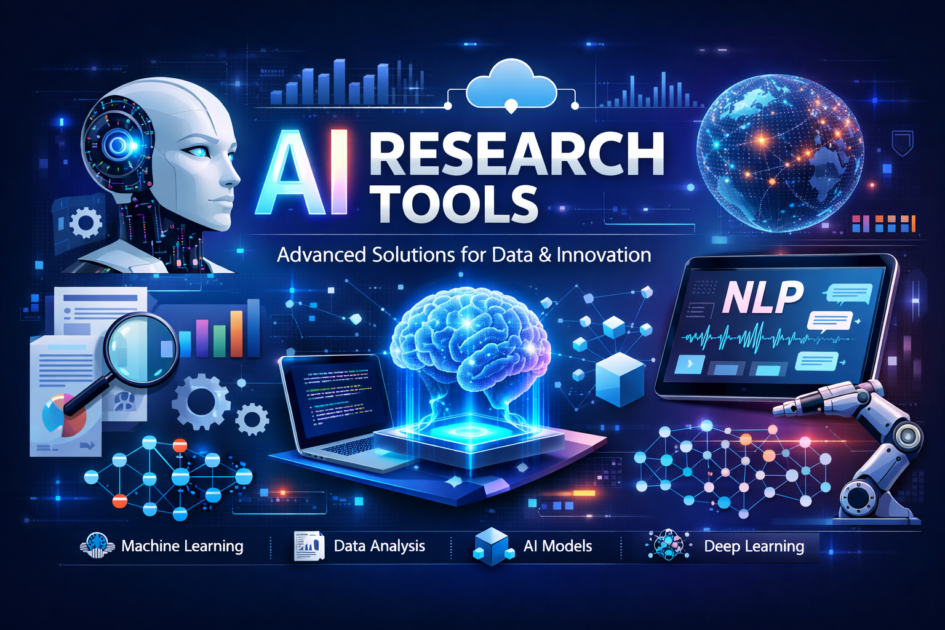
AI research tools focus on answers, context, and summaries, not endless browsing.
From my own content research experience, the difference is noticeable. Tasks that once required opening multiple tabs and cross-checking information can now be done in a fraction of the time.
These tools are especially useful because they:
- Provide direct answers instead of forcing exploration
- Understand follow-up questions naturally
- Save time during deep research
Students, bloggers, journalists, and professionals are adopting them not because they are trendy, but because they simplify thinking.
AI Website and App Builders: Lowering the Technical Barrier
Building a digital product used to require technical skills, budget, and patience. AI has changed that equation.
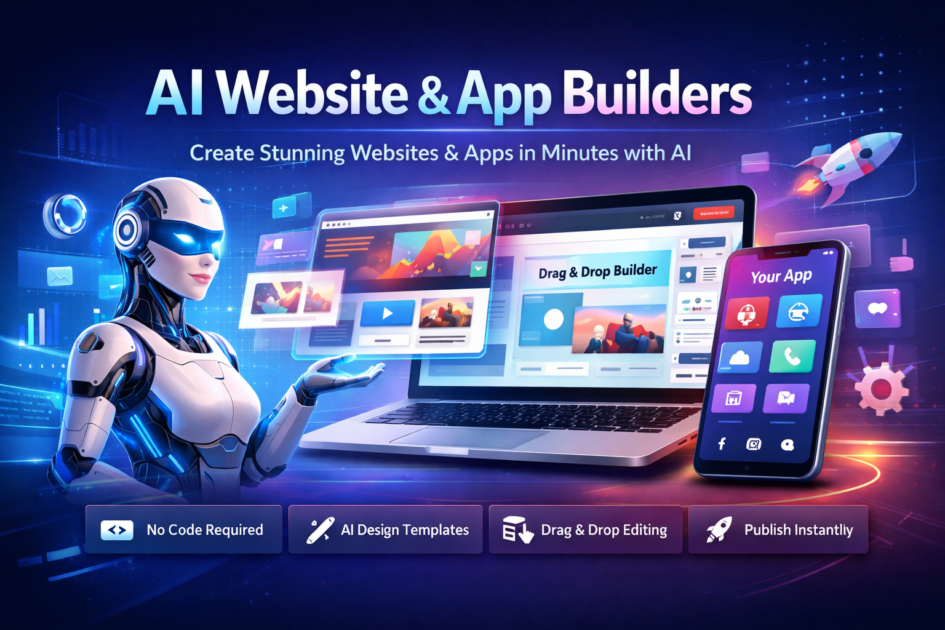
Modern AI builders allow users to describe what they want in plain language. The system handles the technical part.
What I’ve personally noticed is how empowering this feels for non-technical users. People with ideas but no coding background can now test those ideas quickly.
These tools work especially well for:
- Small businesses creating online presence
- Bloggers and creators launching landing pages
- Startups building early prototypes
When technology removes barriers instead of creating them, growth becomes inevitable.
AI Creative Automation: Speed Matters More Than Perfection
AI tools for video creation, captions, thumbnails, and voiceovers are improving fast. While they are not flawless, they offer something extremely valuable—speed.
From a creator’s perspective, this matters a lot. Instead of spending days on editing and formatting, creators can focus on consistency and ideas.
The real future here is balance:
- AI handles repetitive execution
- Humans handle creativity and emotion
This combination is why creative AI tools will continue to gain popularity, especially among solo creators and beginners.
A Clear Pattern That’s Hard to Ignore
One thing has become very clear through observation and usage:
AI tools that exist only for hype slowly fade away.
AI tools that quietly save time and reduce effort grow steadily.
People don’t need “impressive” AI anymore. They need reliable AI.
Final Thoughts: Why These AI Tools Truly Matter
The AI tools most likely to dominate the coming years are not built for attention—they are built for integration.
Autonomous agents, advanced coding assistants, research-focused AI, no-code builders, and creative automation tools all solve real problems. That’s why their growth feels natural instead of forced.
From a blogger’s experience, a tech observer’s understanding, and daily interaction with AI, one thing is clear:
These tools are not trends. They are the foundation of the next digital phase.