Why Andrew Ng Doesn’t Think AI Will Replace Most Jobs?
Quick Summary
Few topics in technology generate as much debate today as artificial intelligence and its impact on…
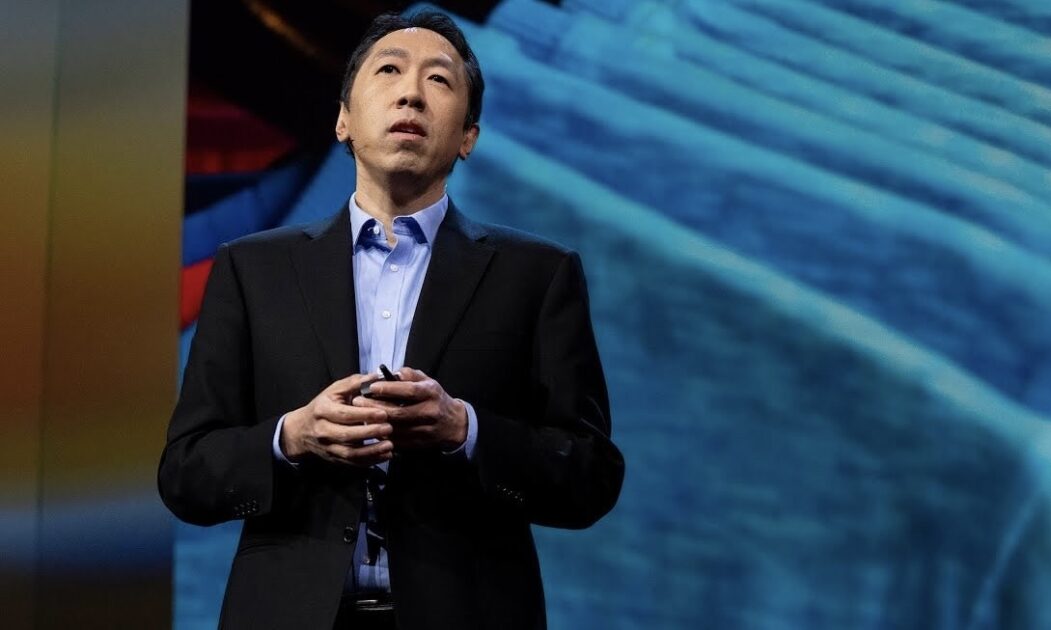

Few topics in technology generate as much debate today as artificial intelligence and its impact on jobs. Every time a new AI model demonstrates an impressive capability whether it’s writing code, creating images, or generating human-like text, the same question resurfaces that are humans being replaced?
For many workers, AI systems are improving at a pace that few expected just a few years ago. Companies are increasingly experimenting with automation and headlines predicting mass job losses have become common. But according to Andrew Ng, one of the most respected voices in the AI industry, the future may not be as straightforward as many people think.
Andrew Ng is best known as the co-founder of Coursera, the founder of DeepLearning.AI and a former leader of the Google Brain project. Having spent years helping shape the modern AI industry, he has a unique perspective on where the technology is headed. And when it comes to jobs, he believes many predictions are missing an important detail.

15 Powerful Chrome Alternative Web Browsers in 2026 (Faster, Private & Smarter Than Chrome)
Read StoryWhy Andrew Ng Believes AI Won’t Replace Entire Jobs
The problem Ng argues is that people often talk about jobs as if they are a single task. In reality the most jobs are made up of dozens of different responsibilities. A teacher doesn’t just teach. A doctor doesn’t spend every minute diagnosing patients. A software engineer does far more than simply write code. Every profession combines a variety of tasks, some repetitive and structured, others requiring creativity, communication, judgment and human interaction. This distinction is at the heart of Ng’s argument.
Andrew Ng has also argued that lower costs and higher productivity can sometimes create more demand rather than less. When a technology makes something cheaper and easier to produce, businesses often expand their operations instead of shrinking them. New products emerge, new services are launched and entirely new markets can develop.
One of Andrew Ng’s most quoted statements captures this idea perfectly: AI won’t replace people, but people who use AI may replace people who don’t. The quote has gained popularity because it shifts the conversation away from humans competing against machines instead it highlights the growing importance of learning how to work with AI.
How AI Is Automating Tasks Instead of Replacing Workers
Speaking about the future of work, he has pointed out that AI is generally much better at automating specific tasks than replacing entire professions. If a technology can handle a portion of someone’s workload, that doesn’t automatically mean the entire job disappears. Andrew Ng has even suggested that for many occupations, automating 20% or 30% of the work doesn’t eliminate the need for the worker instead it changes how that worker spends their time.
The repetitive or routine parts may be handled by software while humans focus on the areas where experience, decision-making and creativity matter most. That’s a very different future from the one often portrayed in alarming headlines. History offers several examples of this pattern like when computers became common in workplaces, many feared widespread job losses.
Yet businesses didn’t stop hiring writers, accountants, designers or managers instead these professionals began using computers to work faster and more efficiently. The internet followed a similar path and it disrupted industries but it also created entirely new ones. Careers in digital marketing, app development, social media management, cloud computing and e-commerce barely existed a few decades ago.
Also Read This
The Future of Autonomous Digital Assistants
What Workers Can Learn From Andrew Ng’s View on AI
Andrew Ng believes AI could follow a comparable trajectory. As AI tools become more capable, companies will likely expect employees to understand how to use them. A marketer who knows how to use AI for research and campaign planning may have an advantage over someone who doesn’t. A programmer who can effectively use AI coding assistants may complete projects more efficiently. The same principle could apply across countless industries that doesn’t necessarily mean fewer jobs overall. In many cases it may simply mean that the skills required for those jobs evolve.
Of course none of this means the transition will be effortless. Some roles will change significantly and certain tasks will become automated and workers will need to adapt. But Ng’s view is notably more optimistic than the idea that AI will trigger a future where human workers become obsolete. His perspective is rooted in a simple observation that the technology has historically changed the nature of work more often than it has eliminated work itself.
Will AI Create New Jobs in the Future?
For now, Andrew Ng believes the biggest opportunity lies not in worrying about whether AI will take someone’s job but in learning how to use the technology effectively. In his view the people most likely to thrive in the AI era won’t be those competing against artificial intelligence. They’ll be the ones who understand how to make it part of their workflow.
As businesses continue investing billions into AI and governments around the world debate its long-term impact, one thing is clear that the conversation about jobs is far from over. But if Andrew Ng is right, the future of work may look less like a battle between humans and machines and more like a partnership between the two.
Share this article
Related Articles
Continue reading similar stories.



Trending Now
Popular articles readers are exploring.

Xiaomi 17 Pro Review – The New Flagship Evolution

Lenovo Legion Pro 7i Review 2026 – The Ultimate Gaming & Creator Laptop

Vivo X200 FE Full Review in 2026: Price, Camera, Features & Performance

iPhone 17 Air Full Review: Price, Camera, Battery & Features